Types of Crochet Hooks: Steel, Aluminium, Wood, Plastic or Light-Up, Which Is Best?
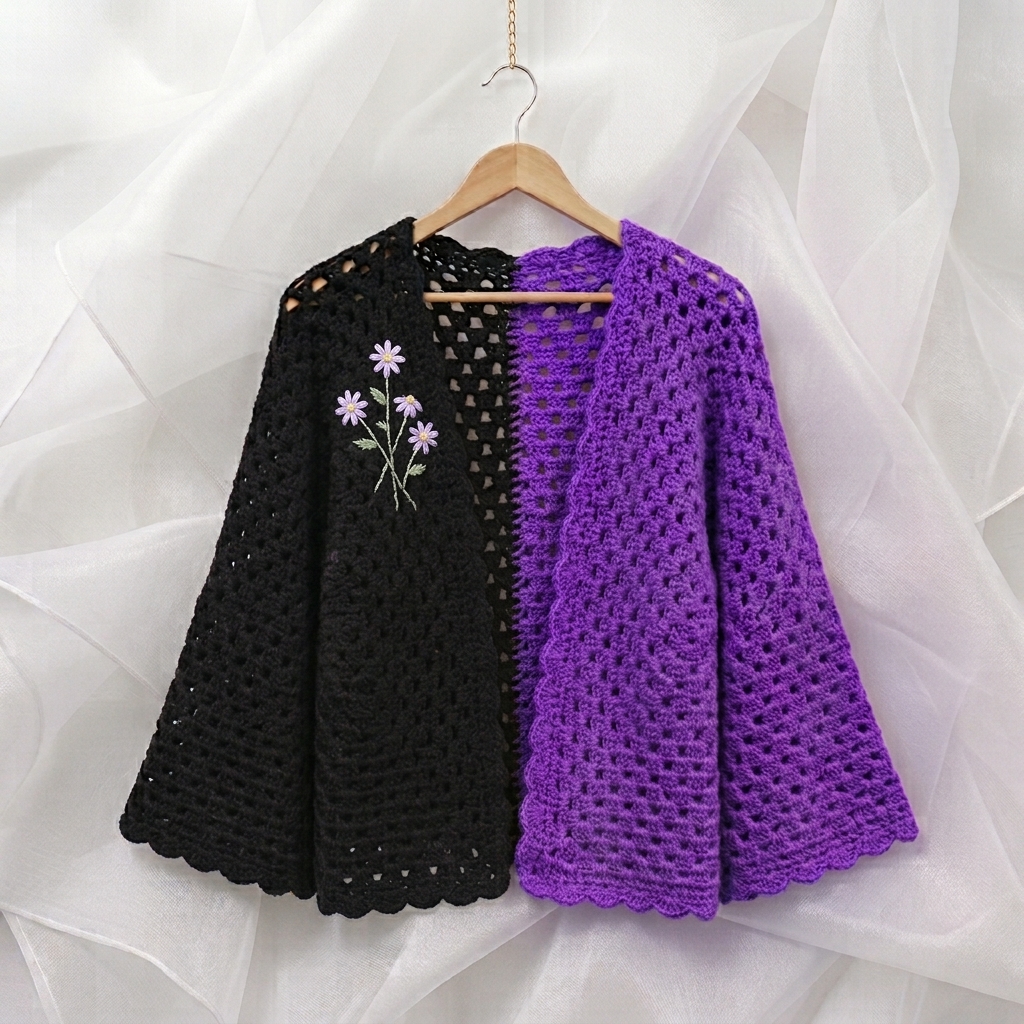
I have been crocheting since I was five, starting with my mother's old hooks. Over the years I have tried almost every kind of hook, and each one has its place.
Fozia Mirza, crochet artist, Sukkur
Walk into any craft shop and you will find crochet hooks in steel, aluminium, wood, bamboo, plastic and even hooks with a little light inside. Which one is best? The honest answer is that it depends on your yarn, your hands and the project. This guide explains every common type of crochet hook so you can choose the right one.
Crochet hooks by material
1. Aluminium hooks
The most popular hooks. They are light, smooth, affordable and come in almost every size from about 2 mm to 10 mm. Yarn glides easily, so they are great for beginners and for everyday work with wool, acrylic and cotton.
Best for: almost everything. Downside: the thin handle can tire your hand on long projects, and very smooth metal can feel too slippery with silky yarn.
2. Steel hooks
Steel hooks are made in very small sizes, often below 2 mm. They are strong and do not bend, which is important when the hook is so thin.
Best for: crochet thread, lace, doilies, fine edgings and 2 ply yarn. Downside: not made in larger sizes, and the tiny size takes practice.
3. Wooden hooks
Wooden hooks feel warm and natural in the hand, and many are beautifully hand-finished. They have a little grip, so stitches do not slide off too easily.
Best for: slippery yarns such as silk, bamboo and some cottons, and people who dislike cold metal. Downside: small sizes can break, and a rough patch can snag the yarn.
4. Bamboo hooks
Bamboo is light, smooth and slightly grippy, much like wood but usually cheaper. It is a nice choice if you have tight tension, because the yarn moves a little slower and more evenly.
Best for: slippery yarns and beginners who keep dropping stitches. Downside: thin sizes can bend or snap.
5. Plastic hooks
Plastic hooks are cheap, very light and come in bright colours. They are often used for jumbo sizes because a large metal hook would be heavy.
Best for: chunky and super chunky yarn, T-shirt yarn, and children learning to crochet. Downside: they can feel squeaky with acrylic yarn and may bend or snap in smaller sizes.
6. Light-up (LED) hooks
These hooks have a clear plastic shaft with a tiny battery light inside, so the tip glows and lights up your stitches.
Best for: dark colours like black and navy, crocheting at night or while travelling. Downside: they are thicker and heavier, the battery needs changing, and they are usually made only in mid sizes.
7. Glass and acrylic hooks
Decorative hooks made from glass or clear acrylic are very smooth and pretty, and some crocheters love them as special or gift hooks.
Best for: gentle work with soft yarn. Downside: glass can break if dropped, and they cost more.
Crochet hooks by shape and design
Ergonomic hooks
These have a thick, soft handle made of rubber, silicone or shaped wood. The bigger grip is much kinder to your fingers and wrist. If you crochet for hours or have sore hands, an ergonomic hook makes a real difference.
Inline vs tapered heads
Look closely at the tip of a hook. An inline hook has a throat that is the same width as the shaft, which gives very even stitches. A tapered hook has a rounder head and a narrower throat, so the yarn slips on and off easily. Neither is better; most people simply prefer one feel, so try both if you can.
Tunisian (Afghan) hooks
Tunisian hooks are long, like a knitting needle with a hook at the end, sometimes with a flexible cable. They are used for Tunisian crochet, where many loops are held on the hook at once, giving a thick, woven-looking fabric.
Double-ended hooks
These have a hook at both ends. Some have two different sizes on one tool, which is handy to carry. Others are used for special techniques such as double-ended crochet in two colours.
Interchangeable and travel sets
Some sets come with one handle and many hook heads that screw in, or with all sizes in a zip case. They are great value and keep your hooks organised.
Quick comparison
| Hook type | Feel | Best for | Watch out for |
|---|---|---|---|
| Aluminium | Smooth, light | Everyday use, beginners | Thin handle can tire hands |
| Steel | Very strong, fine | Thread, lace, doilies | Only small sizes |
| Wood | Warm, some grip | Slippery yarn | Small sizes can break |
| Bamboo | Light, some grip | Slippery yarn, tight tension | Thin sizes can bend |
| Plastic | Very light | Chunky yarn, kids | Squeaks, can snap |
| Light-up | Thicker | Dark yarn, night work | Battery, heavier |
| Ergonomic | Soft, thick grip | Long sessions, sore hands | Costs a little more |
So, which crochet hook is best?
- Beginners: an aluminium set in 2 mm to 6 mm, ideally with ergonomic handles.
- Baby clothes in 3 or 4 ply: aluminium or ergonomic hooks in 2.5 mm, 3 mm and 3.5 mm.
- Lace and doilies: steel hooks.
- Slippery cotton or silk: bamboo or wood.
- Black or dark yarn: a light-up hook.
- Chunky blankets: large plastic or wooden hooks.
Not sure which size to buy? See our crochet hook size chart by wool ply, and learn the basics in our yarn ply guide.
Handmade with care at Mazagia
Every Mazagia piece is crocheted by hand, one stitch at a time. If you would love a custom dress, cardigan or bag, message us on WhatsApp.
Shop handmade crochet
-
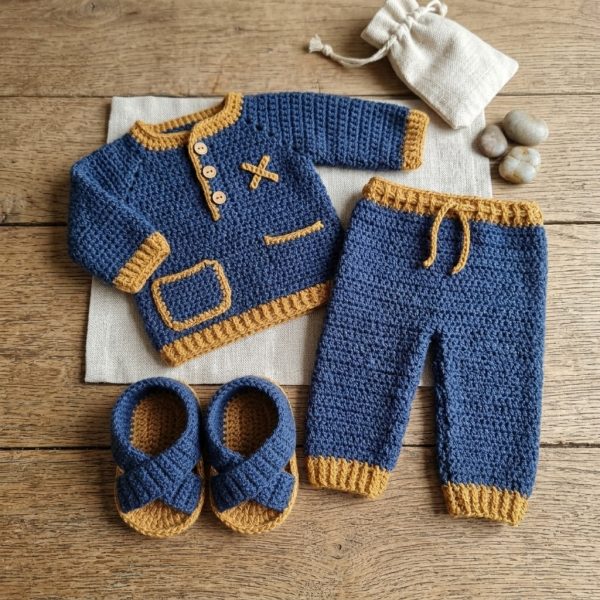
Blue & Mustard Crochet Baby Boy Set: Henley Sweater, Trousers & Sandals
Price on request: ask on WhatsApp Ask Price -
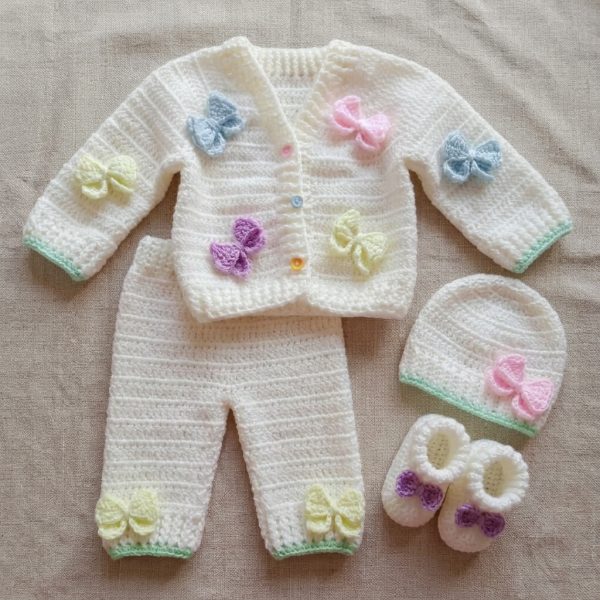
Off-White Crochet Baby Set with Pastel Bows: Cardigan, Trousers, Cap & Booties
Price on request: ask on WhatsApp Ask Price -
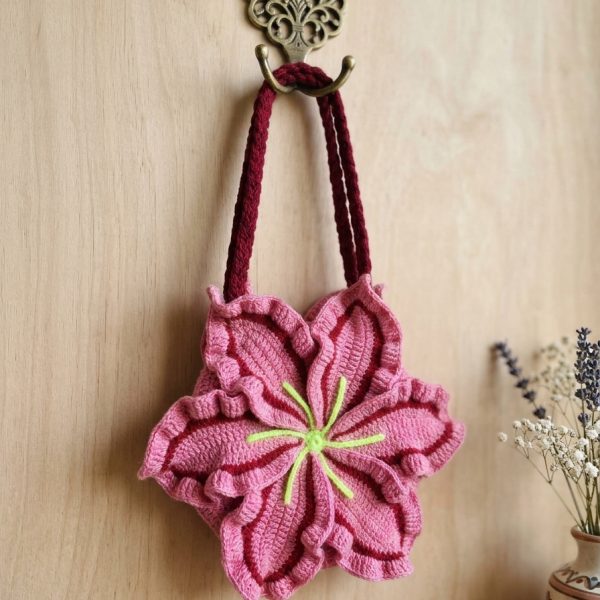
Pink Lily Flower Crochet Shoulder Bag
Price on request: ask on WhatsApp Ask Price